12 Surprising And Beneficial diet for Heart Diseases.

By Geoffrey Waihenya.

Well, for a vehicle to function properly and give the best service to the owner, it must have a standard engine to avoid fuel wastage which is appalling to many drivers. Just like an engine to the vehicle so does the heart to a human being. The heart is the essential organ in our entire body ranging from pumping blood to keeping us alive by suppling oxygen all over our body, hence good service to our heart is good service of the heart to our lives. Here are the best diets of heart that keep full of vitality and composure.

1. Eating healthy fish.

More Healthy studies on heart show that eating fish helps in reducing the risks of developing heart diseases. Fish is rich in Omega 3 which is associated with reducing cholesterol levels which triggers heart diseases.

2. Eating of Healthy nuts.

Nuts such as almonds, walnuts, and cashew nuts have been associated with suppressing risks leading to heart diseases. Studies conducted on a healthy heart diet have shown that a patient that had been recommended on eating nuts had few cases of heart problems unlike those who hadn’t.

3. Eating Berries.

Berries such as blueberries, raspberries, blackberries, and strawberries are rich in antioxidants which helps in heart functions. Correspondingly, they are full chock of heart-healthy nutrients and soluble fats.

4. Seeds.

Seeds such as flaxseeds and hemp contain omega 3 and a great source of heart-healthy nutrients. They reduce the risk of developing blood pressure as well as keeping blood pressure and cholesterol levels in control. Studies conducted on patients suffering from heart diseases showed that patients who had on this diet of flowers flaxseeds manifested fewer heart problems than those who were not on the diet program.

5. Wholegrains.

Foods such as brown rice, brown bread, and other unrefined cereals have contributed a lot to reducing heart disease problems. Furthermore, studies show that eating whole grains reduces blood pressure at a high rate.

6. Green and leafy vegetables.

Green Vegetables such as kales and spinach are rich in vitamin k, nutrients, and antioxidants. Vitamin K helps in protecting arteries from harm as well as blood clotting. It also helps in reducing blood pressure.

7. Eating of Avocadoes.

Avocados are rich in mono-saturated fats and also rich potassium very essential for heart health. It also lowers cholesterol levels. It’s therefore advisable to include avocado, in each of your meals twice or thrice per week.

8. Eating of Dark chocolate.

Chocolates are rich in flavonoids that support heart function and hence boost it. Several Heath studies have shown that eating chocolates lower cholesterol levels.

9. Tomatoes.

Tomatoes are rich in lycopene as well as antioxidants which play a major role in boost the health of the heart. It is so therefore advisable to include tomatoes in your meal.

10. Olive oil.

Olive oil has been used for many decades in the Mediterranean in a variety of ways and purposes. The most common one is that olive oil helps to fight many risks associated with heart diseases. It contains antioxidants which cholesterol levels, strong anti-inflammatory properties. It’s not also associated with weight gains or obesity. A study from Harvard Medical school analyzing the habits and behaviors of nearly 80,000 female nurses showed that those who consumed olive oil were much healthier than those who didn’t.

11. Carrots.

Carrots, red peppers, and sweet potatoes contain carotenoids fiber, and vitamins to help your heart. They play a major role in boost heart health and preventing it from any risk associated with heart diseases.

12. Fruits such as papaya.
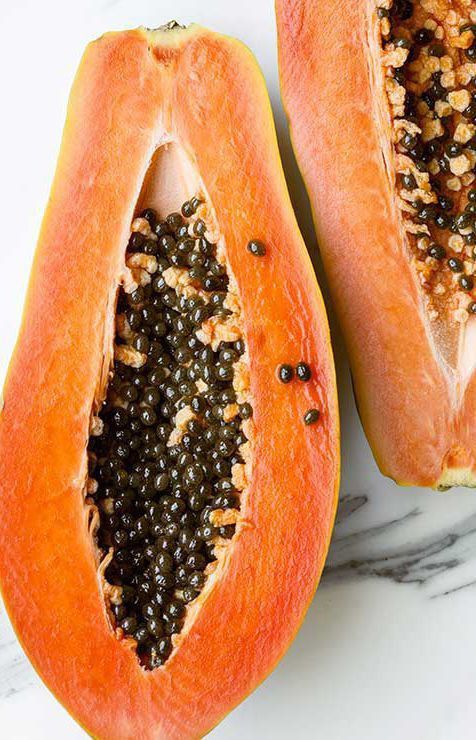
These fruits are rich in potassium, magnesium, and fiber which reduced the risks of heart diseases. Potassium plays a vital role in strengthening the arteries of the heart(coronary artery).

Conclusion.

Health is the first wealth in everyone’s endeavors. Therefore, better-eating hearing habits results to better health. Cardiac health conditions can be eliminated by good eating habits.Fruits are the key to an excellent cardiac functioning.
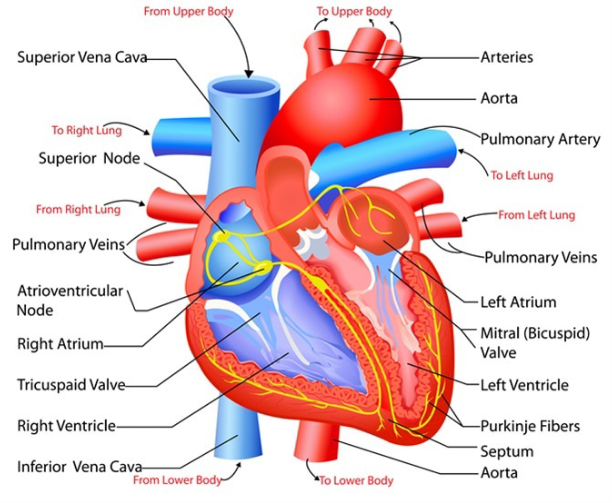
7Precarious Heart Diseases that are killing people slowly.

By Geoffrey W

Did you know that there are over 600,000 American death cases resulting from heart diseases each year? Did you also know that for every 42 seconds a person is dying from a heart attack in the USA? Well, a Heart attack is a leading global cause of death.

Heart Diseases.

Heart Disease is not a single disease or a disorder. It refers to a group of diseases in which the heart or the vessels supplying blood to the heart get damaged. There are over 60 heart diseases all over the world. The following are the most common ones.

1. Ischemic heart disease.

  • This disorder arises as a result of insufficient blood supply to the heart, due to partial blockage of blood vessels supplying the heart with both oxygen and nutrients.

2. Arrhythmia.

  • Improper electric impulses cause irregular heartbeat which leads to this condition.

3. Cardiomyopathy.

  • This condition develops when the heart muscle that is used to pump blood all over the body becomes weak. This results in insufficient supply to the relevant parts of the body.

4. Congenital Heart disease.

  • A birth defect is found in the hearts of individuals ( structural and functional). This is something that is genetically inherited.

5. Angina Pectoris.

  • A condition of coronary heart disease with symptoms such as chest tightness and discomfort. This chest tightness arises as a result of an insufficient supply of blood to the heart.

6. Coronary Heart Disease.

  • This condition emerges when the blood vessels supplying to the heart (coronary artery ) get damaged, hence supply ceases.

7. Pericardial Disease.

  • The heart is usually enclosed by a membrane called the pericardial membrane. This membrane performs multiple functions including keeping the heart in its position, checking on over its dilation, and so on. The inflammation of this membrane is called pericarditis which is caused by the infection of the virus. An example of such a virus is lupus or rheumatoid arthritis.

Causes of Heart Disease.

  • High cholesterol levels: Excessive cholesterol levels or as they call it LDL (low-density lipoprotein) increase plaque build-up. This in turn reduced blood flow hence heart diseases develop.
  • High Blood Pressure: The high pressure created against the walls of the blood vessels by the blood, leads to High Blood pressure which if not controlled causes heart diseases.
  • Diabetes: It is caused by the inability to produce sufficient insulin. This problem leads to increased glucose levels which cause the risks of heart diseases.
  • Poor diet: Excess intake of fats, trans fats, and sugars as well as high sodium intake causes heart diseases.
  • Lack of exercise and physical activities: It is estimated that most IT professionals run the risk of suffering from heart diseases due to their sedentary lifestyle when working. This contributes much to the development of heart diseases.
  • Alcohol and Tobacco use: It is observed that people who Indulge themselves in alcohol consumption have a higher probability of suffering from heart diseases likewise to active smokers.

Signs and Symptoms Of Heart diseases.

  • Breathlessness with exertion at rest.
  • Fatigue.
  • Dizziness and fainting.
  • Change in heart rhythm.
  • Chest pain.
  • Swollen feet and ankles.
  • Slow heartbeat(bradycardia).
  • Racing heart(tachycardia).

Prevention and Treatment.

  • Diabetes management hence preventing the risk of heart disease.
  • Taking cholesterol-free edible products, eg avoiding fast and junkie foods.
  • Regular body exercise, eg performing morning and evening walks, cycling rather than boarding a bus.
  • Controlling high consumption of alcohol as well as avoiding smoking.
  • Being stress-free or breaking down huge tasks into simple units that can be handled efficiently.

conclusion.

Heart diseases arise from poor lifestyle behaviors. The feeding habit of a person greatly contributes to cardiac health conditions. Excessive alcohol consumption and stressful situations contribute to heart risk conditions. Proper management of stress and alcohol avoidance can limit heart risk conditions.